The right steps that save lives.
Well done: taking time to read these tips already gives wildlife one more chance.
Your first move is to keep yourself safe. Wear gloves, protect your face, and never hesitate to call us before acting.
Six simple steps that make a difference.
Call a certified handler
Contact a caretaker or certified handler — they will give you all the advice needed to capture and secure the animal.
Protect yourself first
The first step is for you: wear gloves and protect your face.
Prepare a cardboard box
Place the animal in a box with small air holes so it can breathe.
No food or water
Do not give the rescued animal anything to eat or drink.
Warm if needed
For a small animal, place a hot-water bottle wrapped in cloth nearby — never in direct contact.
Transport safely
Close the box securely to prevent injury or escape, then bring the animal to the centre.
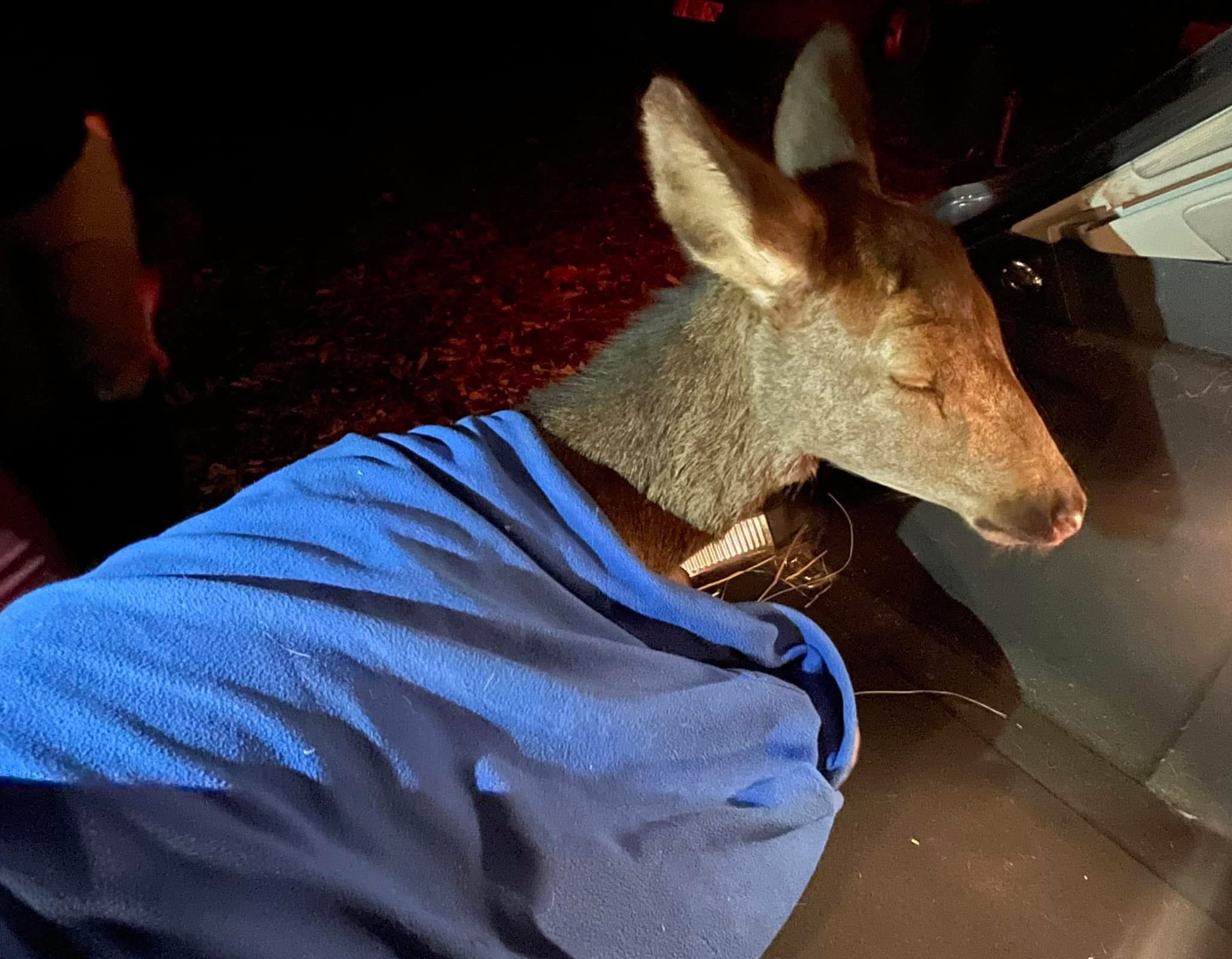
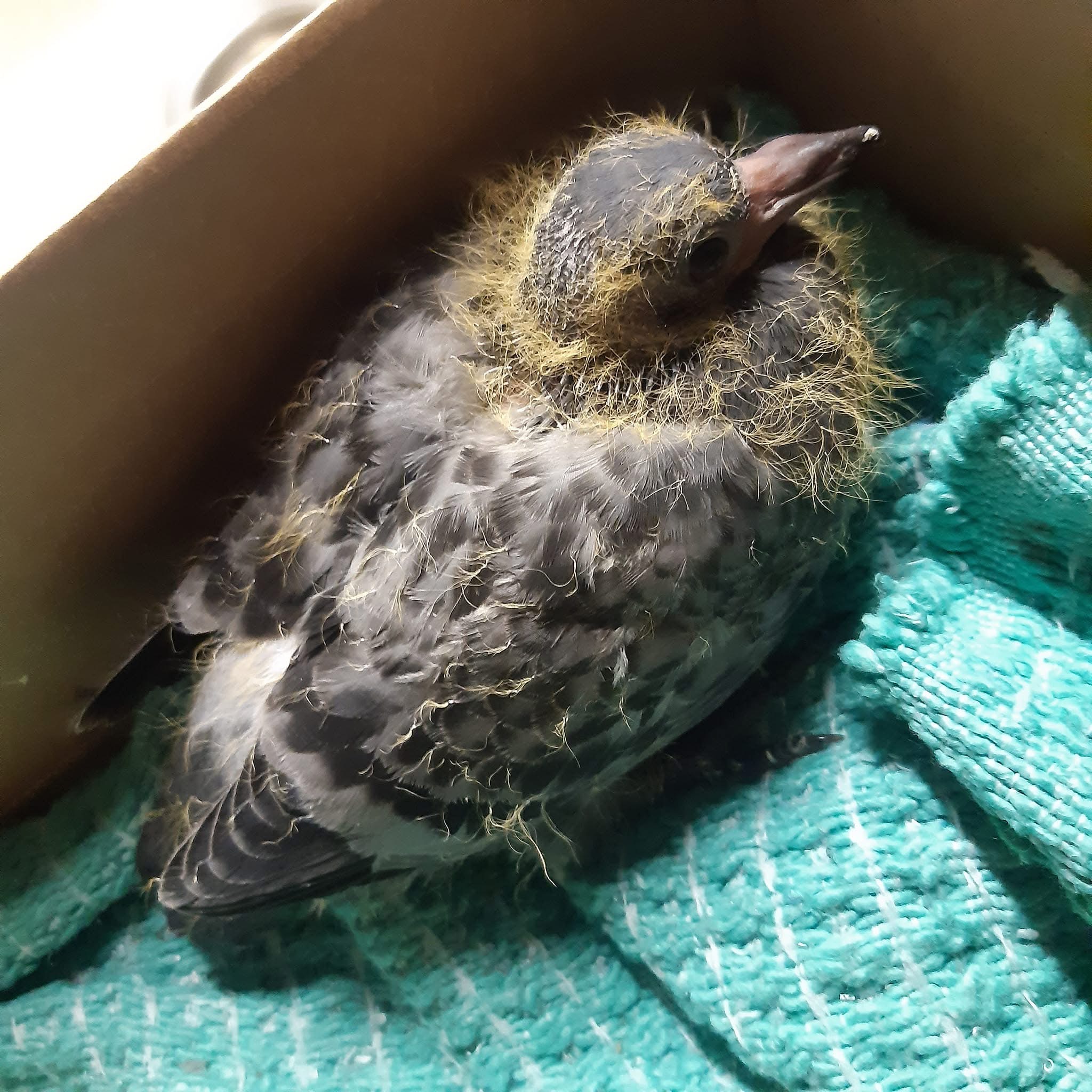
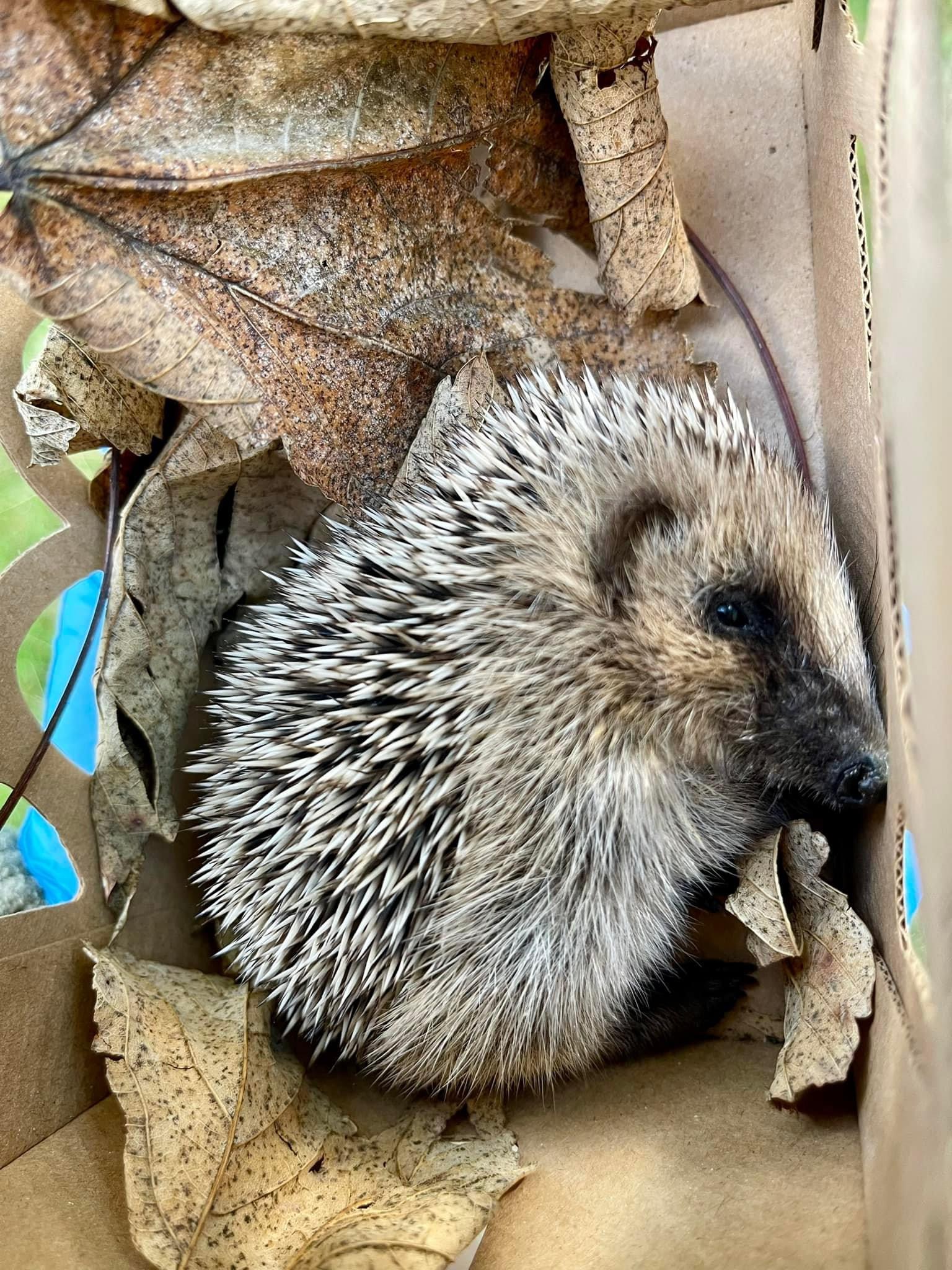
Everything you need to know.
What are the risks?+
The animal is frightened and trying to defend itself. It may bite, attack or scratch — wounds that can lead to infection.
What are my rights to transport a wild animal?+
Once you have notified us, you are allowed to take the animal in your car and bring it to the rescue centre or to the nearest vet.
When do you release animals?+
As soon as they are healed and able to meet their vital needs. For migratory birds we wait for the right season. Release sites are carefully chosen.
Will I have to pay for the care?+
No. A wild animal does not belong to you, so you pay nothing. The centre runs solely on donations and grants.